

Most people think brushing and flossing are the only ways to protect their teeth.
They matter. A lot.
But there’s something else working behind the scenes—something most people never think about.
It’s called your oral microbiome.
And what you eat—especially green leafy vegetables—can quietly support it every single day.
Whether you already eat greens often, or you’re just starting to add them in, what’s happening inside your mouth might surprise you.
Your Mouth Is Full of Bacteria (And That’s a Good Thing)
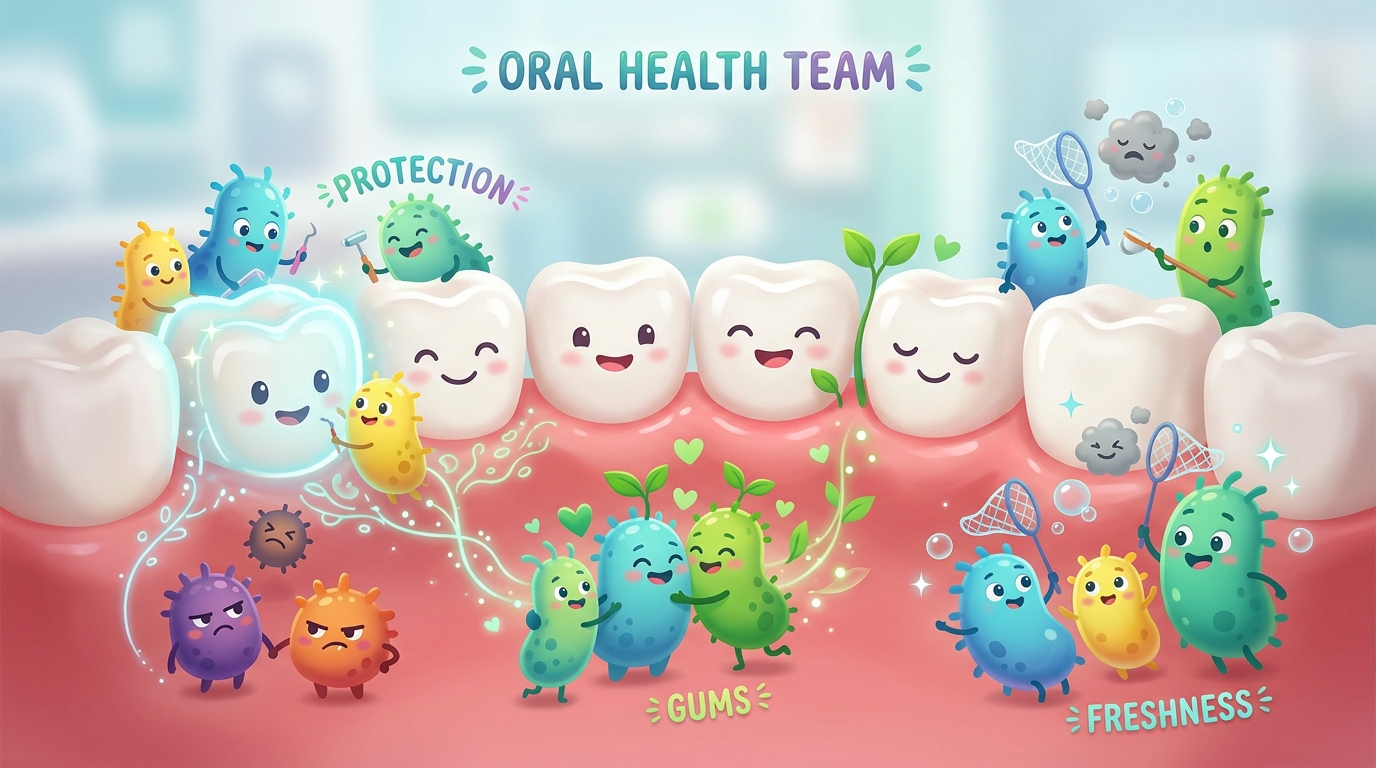
It may sound strange, but your mouth is home to billions of bacteria.
Some are helpful.
Some are harmful.
When things are balanced, the good bacteria:
- Help protect your teeth
- Support healthy gums
- Keep bad breath in check
But when harmful bacteria take over, problems can begin.
That’s when you may start to notice:
- Cavities
- Bleeding gums
- Plaque buildup
So the goal isn’t to remove all bacteria.
It’s to keep the right balance.
Where Green Leafy Vegetables Come In
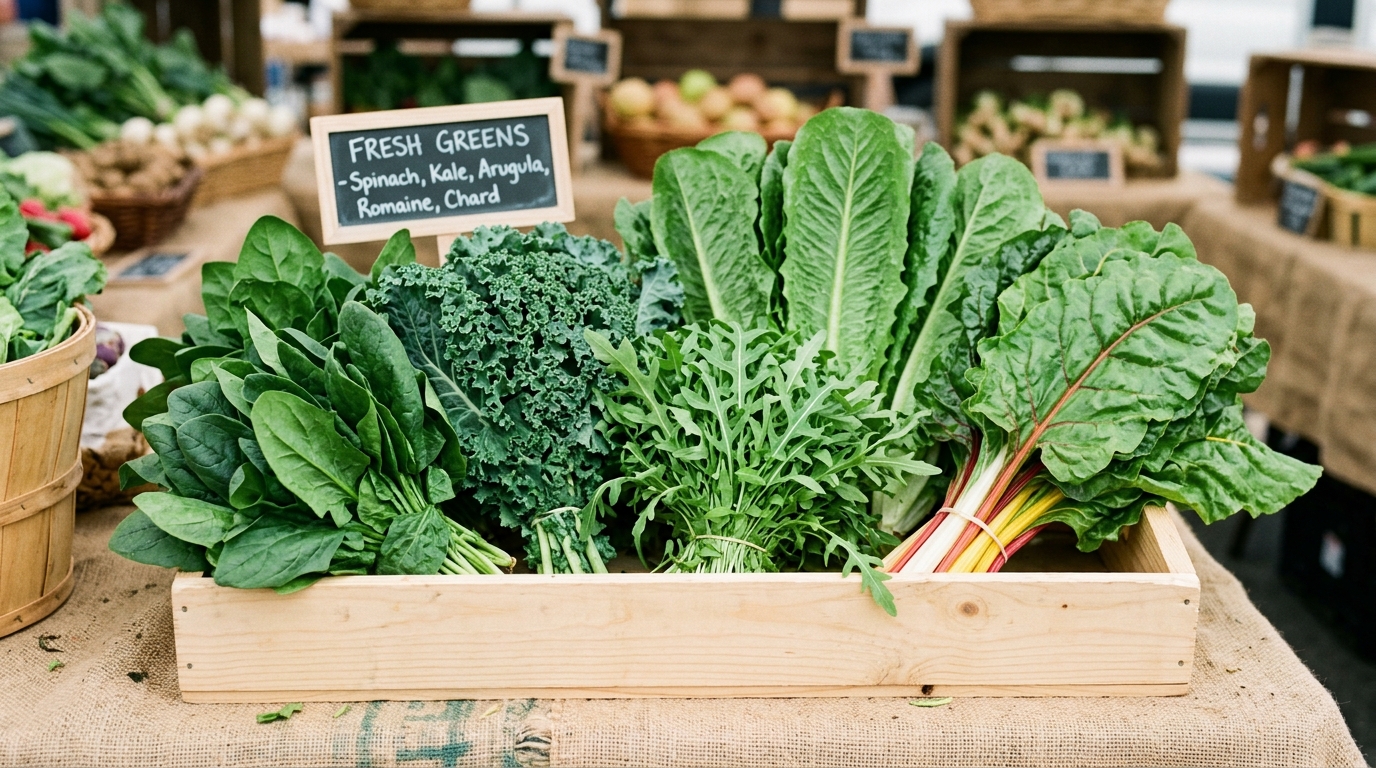
Green leafy vegetables like:
- Spinach
- Kale
- Arugula
- Romaine lettuce
- Swiss chard
…do more than just support your overall health.
They help create a better environment inside your mouth.
And they do it in a few powerful ways.
1. They Help Feed the Good Bacteria
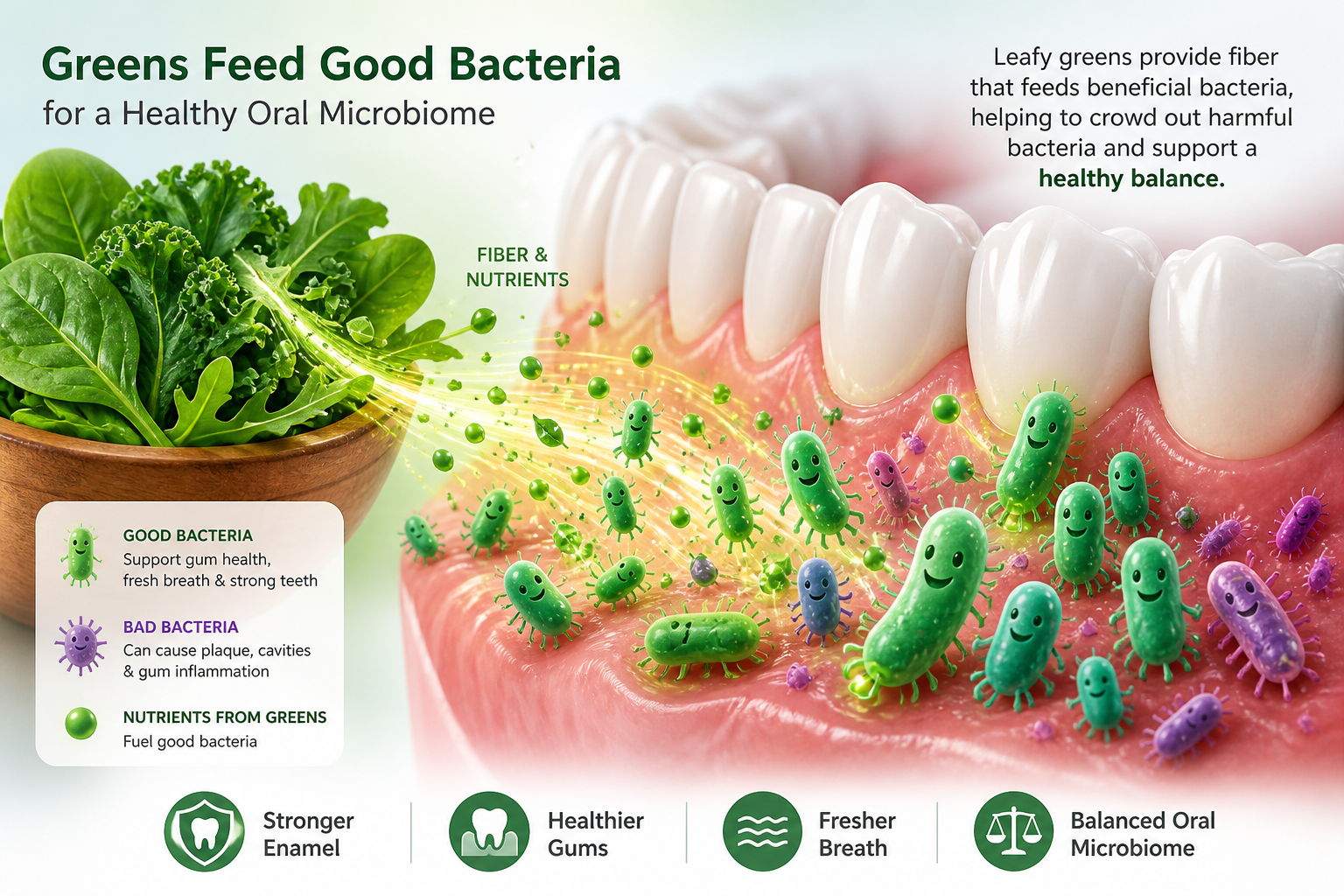
Leafy greens are rich in fiber.
That fiber doesn’t just help your digestion—it also plays a role in your mouth.
When you chew fibrous greens:
- They stay in contact with your teeth longer
- They give beneficial bacteria something to use as fuel
- They help reduce the space for harmful bacteria to grow
Think of it like this:
Healthy foods help the good bacteria stay strong.
2. They Boost Saliva (Your Mouth’s Natural Defense)
Here’s something simple but powerful:
The more you chew, the more saliva your body makes.
Leafy greens take more chewing than soft or processed foods.
That extra chewing helps:
- Wash away food particles
- Neutralize acids
- Protect enamel from damage
Saliva is like your mouth’s natural cleaning system.
And green leafy vegetables help turn it on.
3. They Supply Tooth-Supporting Minerals
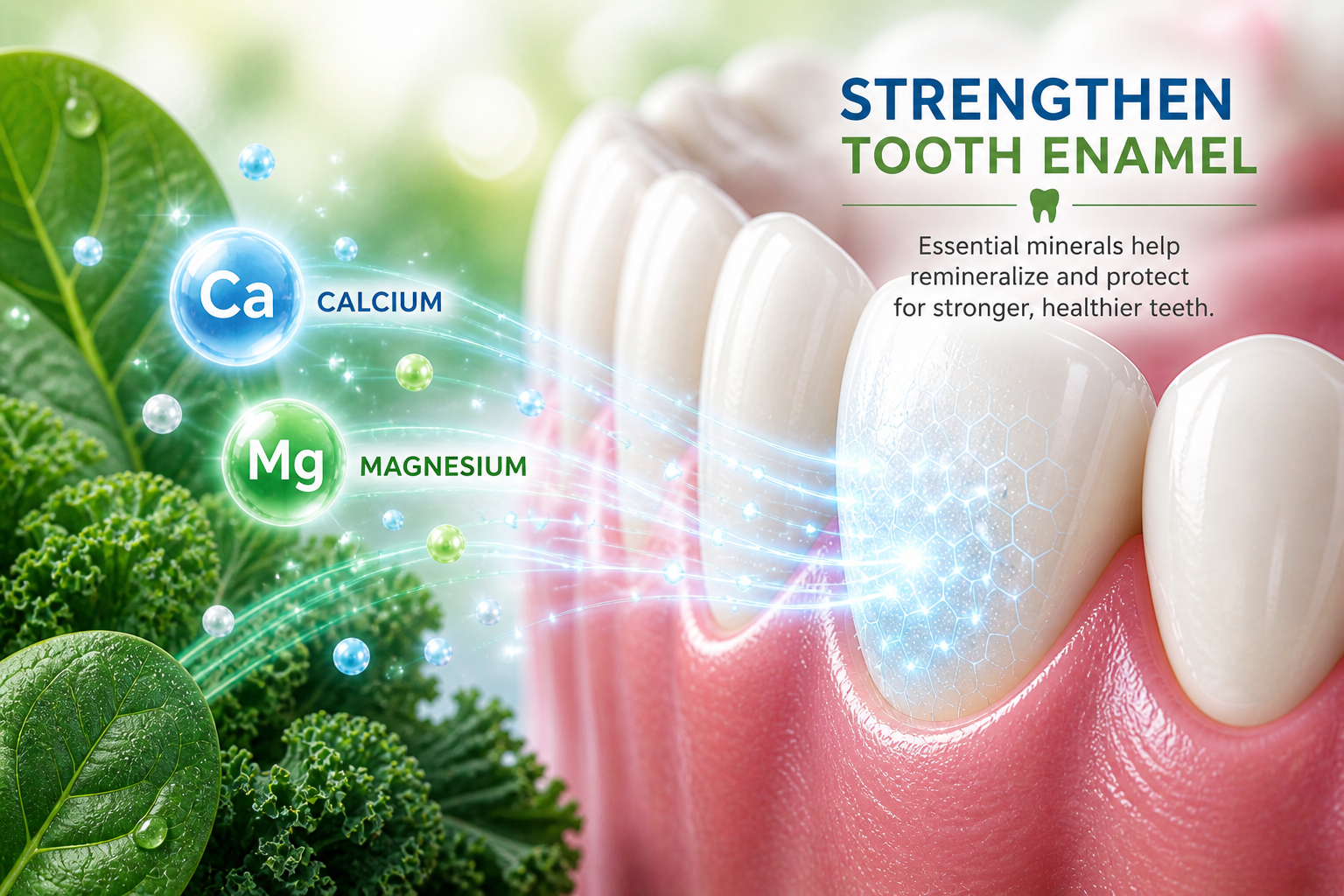
Green leafy vegetables are packed with nutrients like:
- Calcium
- Magnesium
These minerals help:
- Strengthen tooth enamel
- Support gum health
- Reduce sensitivity over time
While sugary foods can wear enamel down…
Leafy greens help support and protect it.
4. They Support a Balanced Oral Microbiome
Here’s one of the most interesting benefits.
Leafy greens contain natural compounds called nitrates.
When you eat them:
- Good bacteria in your mouth use those nitrates
- They convert them into helpful compounds
- Those compounds can help reduce harmful bacteria and inflammation
So instead of just cleaning your mouth…
You’re supporting a healthier balance from within.
What Happens Without Enough Greens?
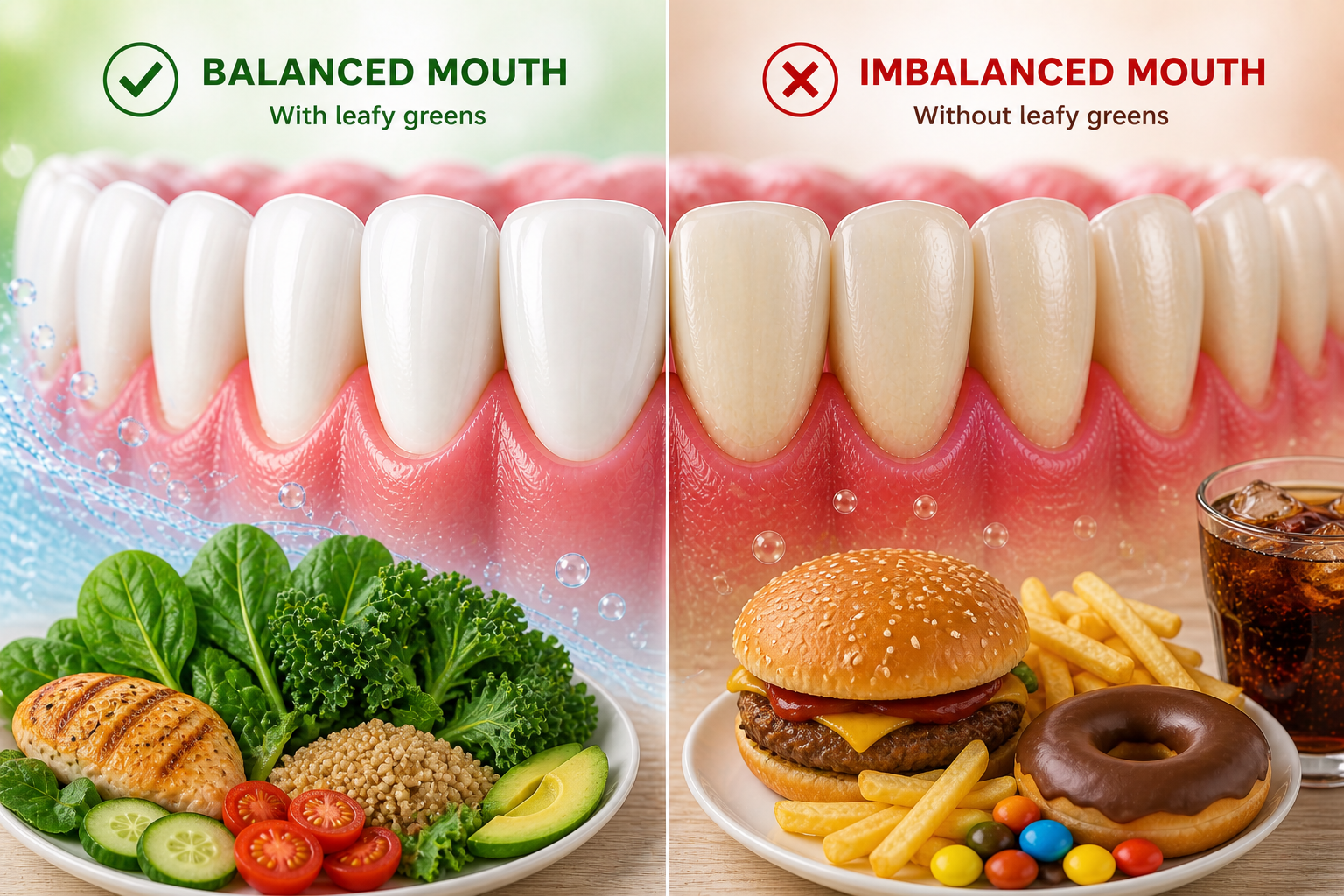
When green leafy vegetables are missing from your diet, it becomes easier for harmful bacteria to take over.
Processed foods—especially sugary ones—can:
- Feed bad bacteria
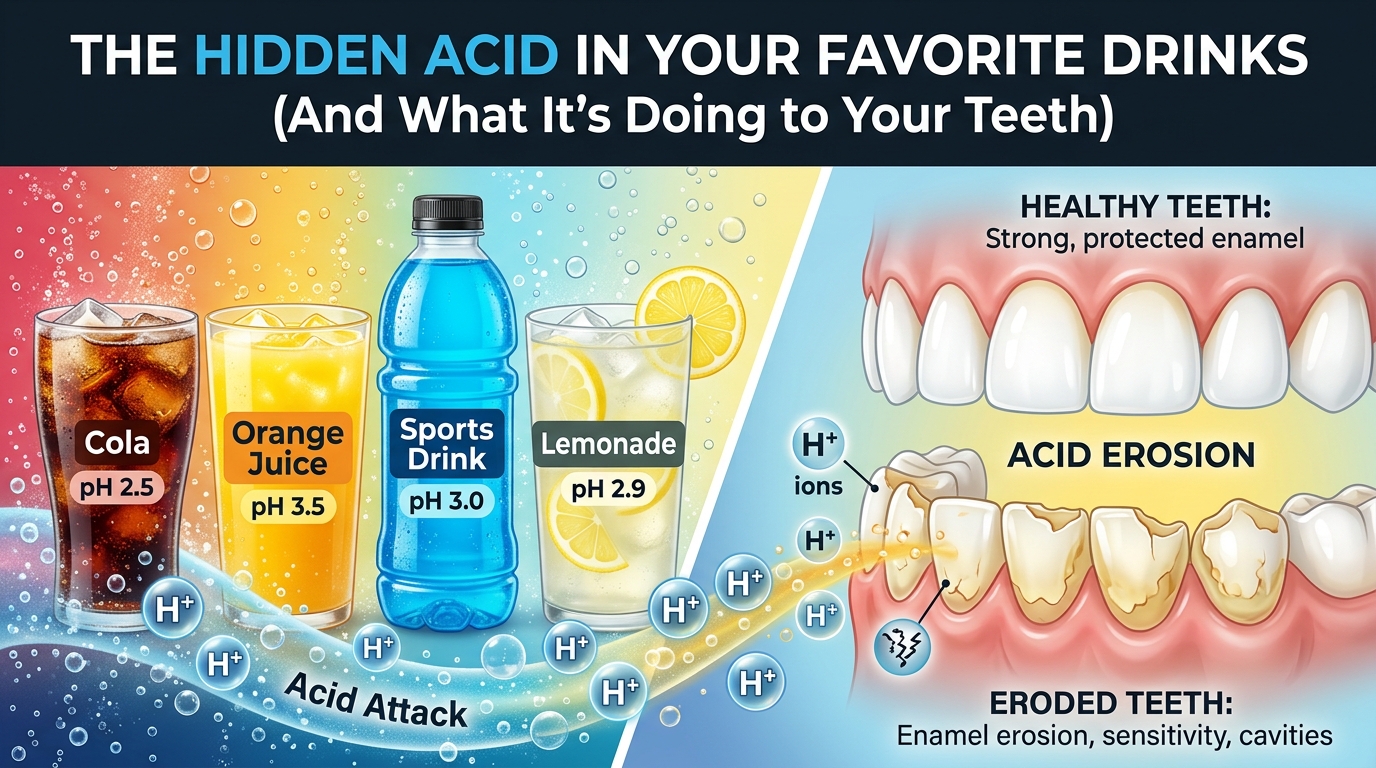
- Create acid that weakens enamel
- Throw off your mouth’s natural balance
Over time, that imbalance can lead to:
- Gum inflammation
- Tooth decay
- Persistent bad breath
That’s why adding greens—even gradually—can make a real difference.
Easy Ways to Add More Greens
You don’t have to overhaul your diet overnight.
Simple steps can go a long way:
- Add spinach to your morning eggs
- Toss arugula into a sandwich
- Blend kale into a fruit smoothie
- Use lettuce wraps instead of bread occasionally
Even small changes can help support your oral microbiome over time.
A Simple Way Riverside Locals Can Get Fresher Greens

One of the easiest ways to actually stick with eating more green leafy vegetables isn’t willpower—it’s access.
And if you live in Riverside, you’ve got a quiet advantage most people don’t think about.
The area has regular certified farmers markets where local California growers bring fresh produce directly to the community. One of the most popular is the Downtown Riverside Certified Farmers Market, where you’ll often find just-picked greens like spinach, kale, romaine, and arugula—sometimes harvested within a day or two.
That freshness matters more than most people realize.
Fresher greens don’t just taste better—they also tend to be more nutrient-rich, since leafy vegetables can slowly lose some vitamins and antioxidants after they’re harvested and stored for long periods.
And that freshness makes a difference in another subtle way too: the more appealing and flavorful the greens are, the more likely you are to eat them consistently. Consistency is what helps support a healthier oral microbiome over time.

There’s also something simple that happens when you shop this way:
You naturally start adding more greens into your routine without forcing it.
Maybe it’s grabbing a bunch of spinach because it looks good that week.
Or trying a new leafy vegetable you don’t usually buy.
Or just having easier access to foods that support your teeth and gums without much effort.
And it doesn’t have to be complicated.
Even a few extra servings of green leafy vegetables each week can gently support the balance of bacteria in your mouth—especially when paired with brushing, flossing, and routine dental care.
It’s one of those small lifestyle shifts that quietly adds up over time.
Keeping Your Smile on the Right Track
Your daily habits—like brushing, flossing, and even what you eat—work together to support your oral health in ways most people don’t fully realize.
Green leafy vegetables are a simple example of how small choices can help maintain a healthier balance inside your oral microbiome over time.
But even with good habits, it’s still important to keep an eye on your dental health. Some changes—like early gum inflammation or buildup—can develop quietly at first.
That’s why regular dental checkups matter.
If it’s been a while since your last visit, or you’ve noticed things like sensitivity, bleeding gums, or persistent bad breath, it may be worth getting things checked early before they turn into bigger issues.
For personalized care and guidance, you can reach out to:
📞 Call (951) 353-8454
or
💻 Use the contact form on our website to schedule an appointment
A healthier smile isn’t built on one big change.
It’s built on small, consistent ones—what you eat, how you care for your teeth, and staying ahead of problems before they start.




.jpeg)