

At first, it might seem harmless. Your child sleeps with their mouth open. Maybe they breathe through their mouth during the day too. You might even think, “It’s just a habit—they’ll grow out of it.”
But here’s the part most parents don’t realize: mouth breathing in children can quietly affect their teeth, jaw development, sleep quality, how well they do in school, and even their facial growth.
At Riverside Dental Center, Dr. Shinali Patel often helps parents catch these signs early—before they turn into bigger, more expensive problems down the road.
Let’s walk through the 5 warning signs every parent should know.
Why Mouth Breathing Matters More Than You Think
Before we get into the signs, here’s a quick insight:
The nose is designed for breathing. The mouth is not.
When children breathe through their nose, the air is filtered, warmed, and humidified. This supports healthy oxygen flow and proper development of the jaw and airway.
But when a child relies on mouth breathing, it can lead to:
- Dry mouth (which increases cavity risk)
- Poor sleep quality
- Narrow jaw development
- Crooked teeth
- Changes in facial structure over time
That’s why catching it early is so important.
1. Open Mouth Posture (Even When Awake)

This is one of the easiest signs to spot.
If your child often sits, watches TV, or plays with their mouth slightly open, it may not just be a habit—it could be a breathing pattern.
Children who mouth breathe tend to:
- Keep lips apart at rest
- Struggle to comfortably keep their mouth closed
- Look like they’re “always about to say something”
Over time, this posture can affect how the jaw and teeth develop.
Quick check: Ask your child to close their lips and breathe through their nose. If it seems difficult or unnatural, it’s worth paying attention.
2. Snoring or Noisy Sleep
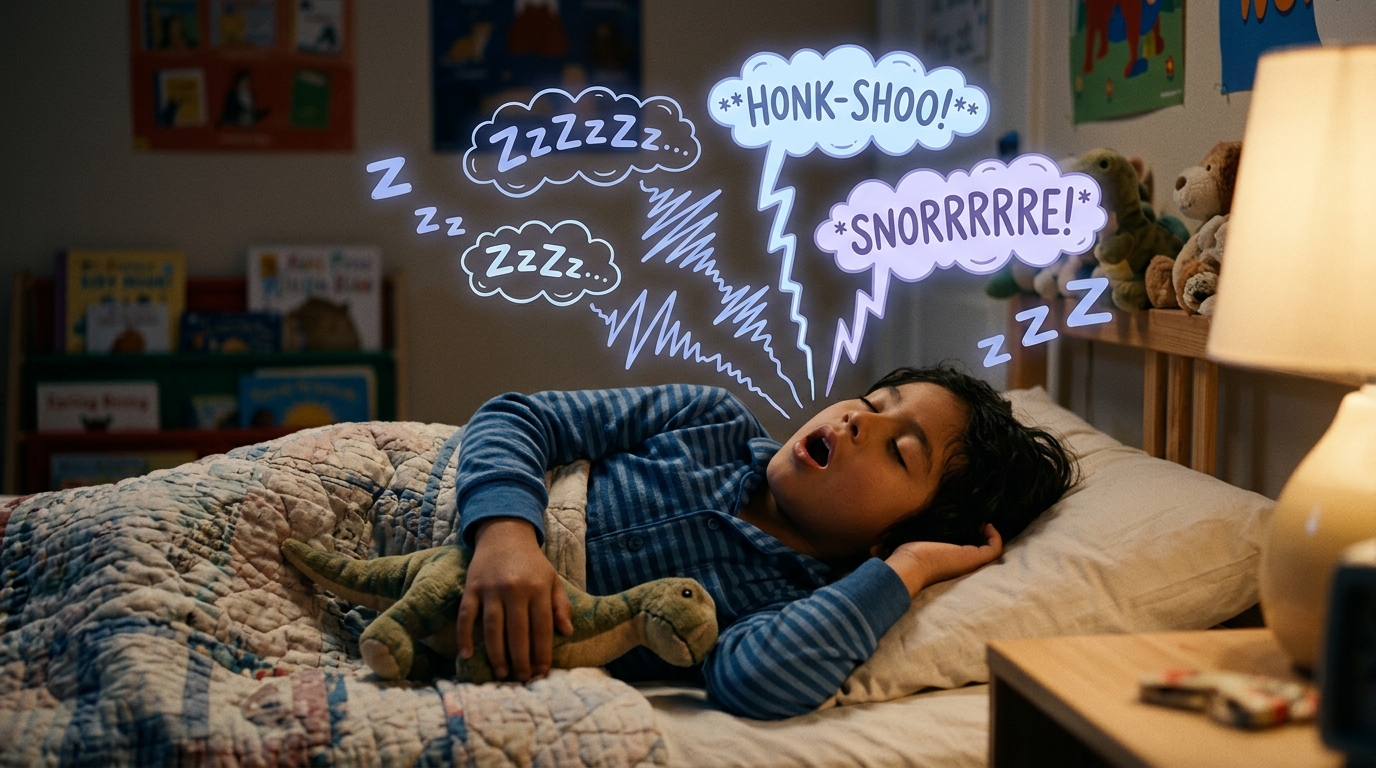
Snoring isn’t just an adult issue.
If your child:
- Snores regularly
- Breathes loudly at night
- Makes gasping or snorting sounds while sleeping
…it could be a sign their airway isn’t functioning properly.
Mouth breathing during sleep is often linked to restricted airflow, which forces the body to compensate.
This can lead to:
- Poor sleep quality
- Daytime fatigue
- Trouble focusing at school
And here’s the tricky part: many kids don’t wake up—they just sleep poorly.
3. Dry Lips and Bad Breath
Does your child often wake up with:
- Dry, cracked lips?
- Sticky or dry mouth?
- Persistent bad breath—even after brushing?
Mouth breathing dries out the saliva in the mouth. And saliva is crucial—it helps wash away bacteria and protect teeth.
When saliva levels drop:
- Bacteria multiply faster
- Cavities become more likely
- Breath smells worse
If you’ve been wondering why your child’s breath isn’t improving with brushing alone, this could be the missing piece.
4. Crowded or Crooked Teeth
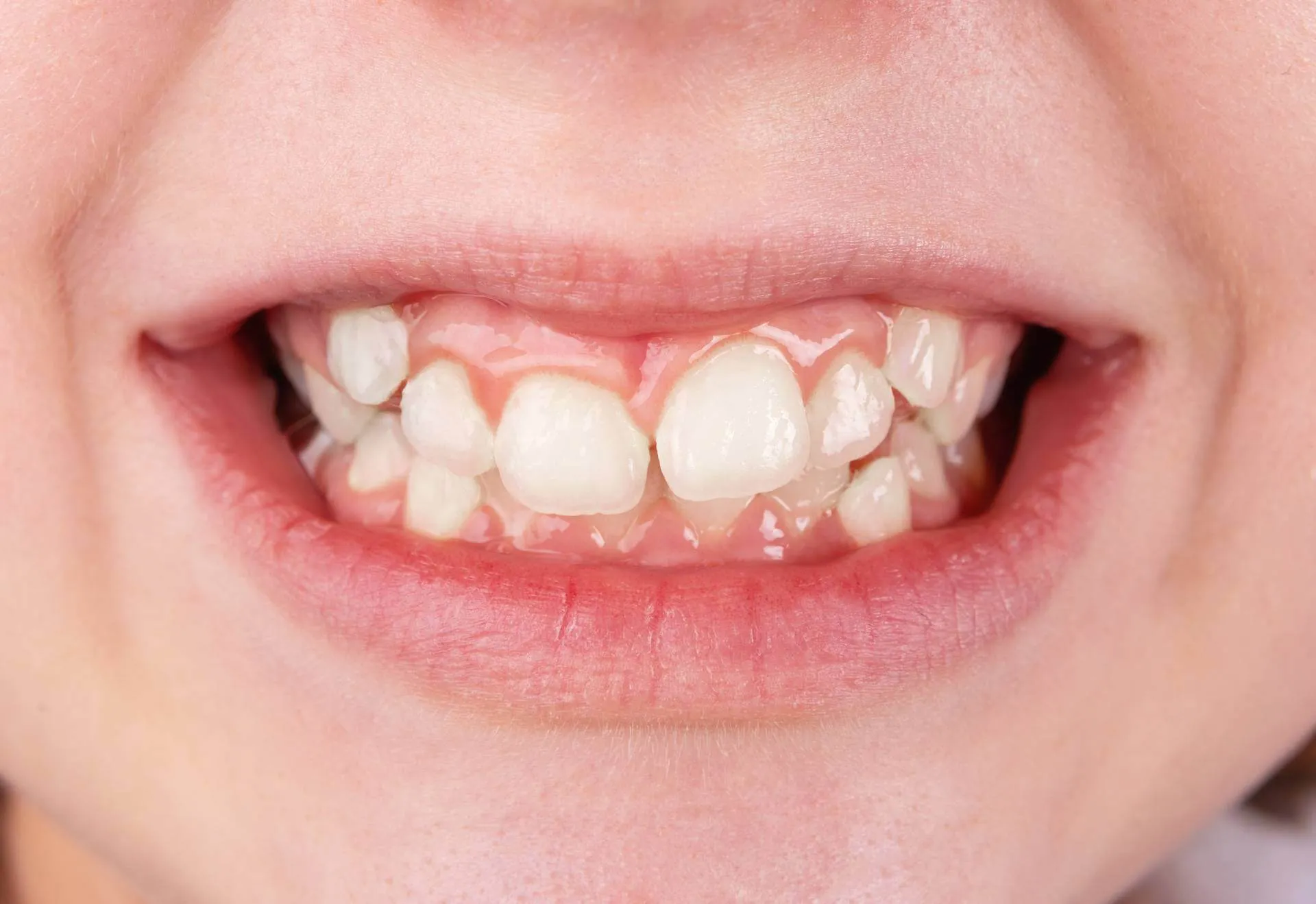
This is where dental health and breathing really connect.
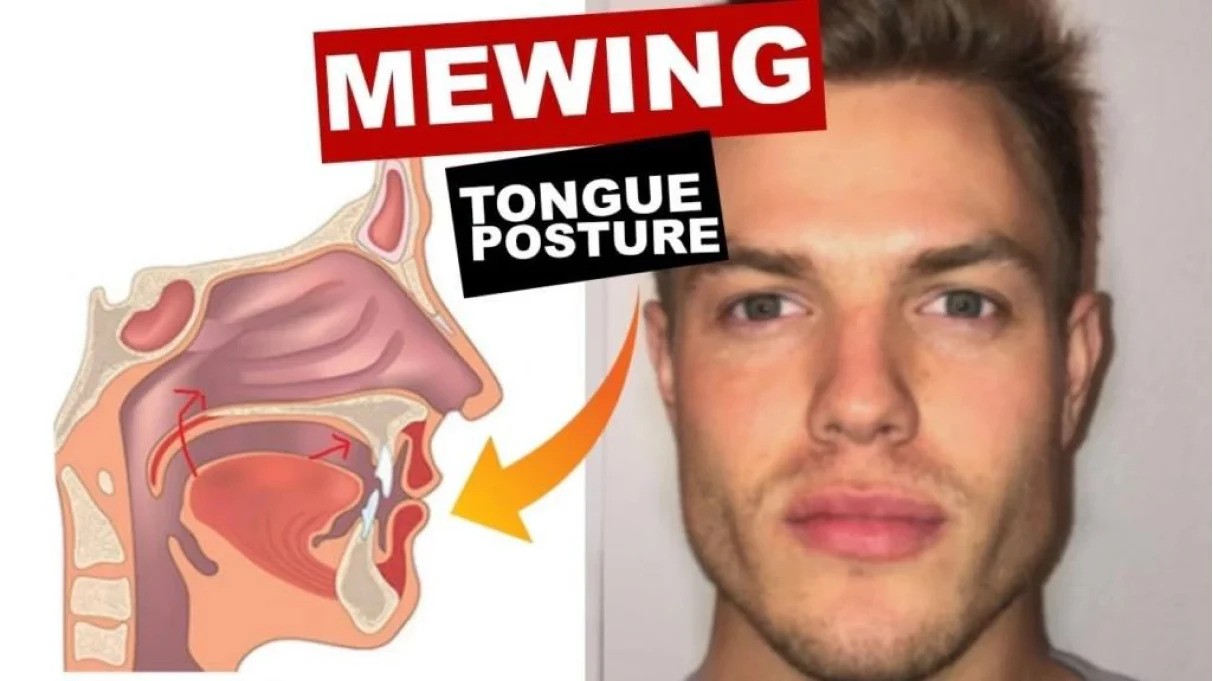
When a child breathes through their mouth instead of their nose, the tongue often sits lower in the mouth rather than resting against the roof of the mouth.
That small shift can lead to:
- Narrow upper jaw
- Less space for teeth
- Crowding or misalignment
In other words, mouth breathing can actually shape how your child’s smile develops.
Many orthodontic issues we see later could have been reduced—or even prevented—by addressing breathing patterns early.
5. Long, Narrow Face or “Tired” Appearance
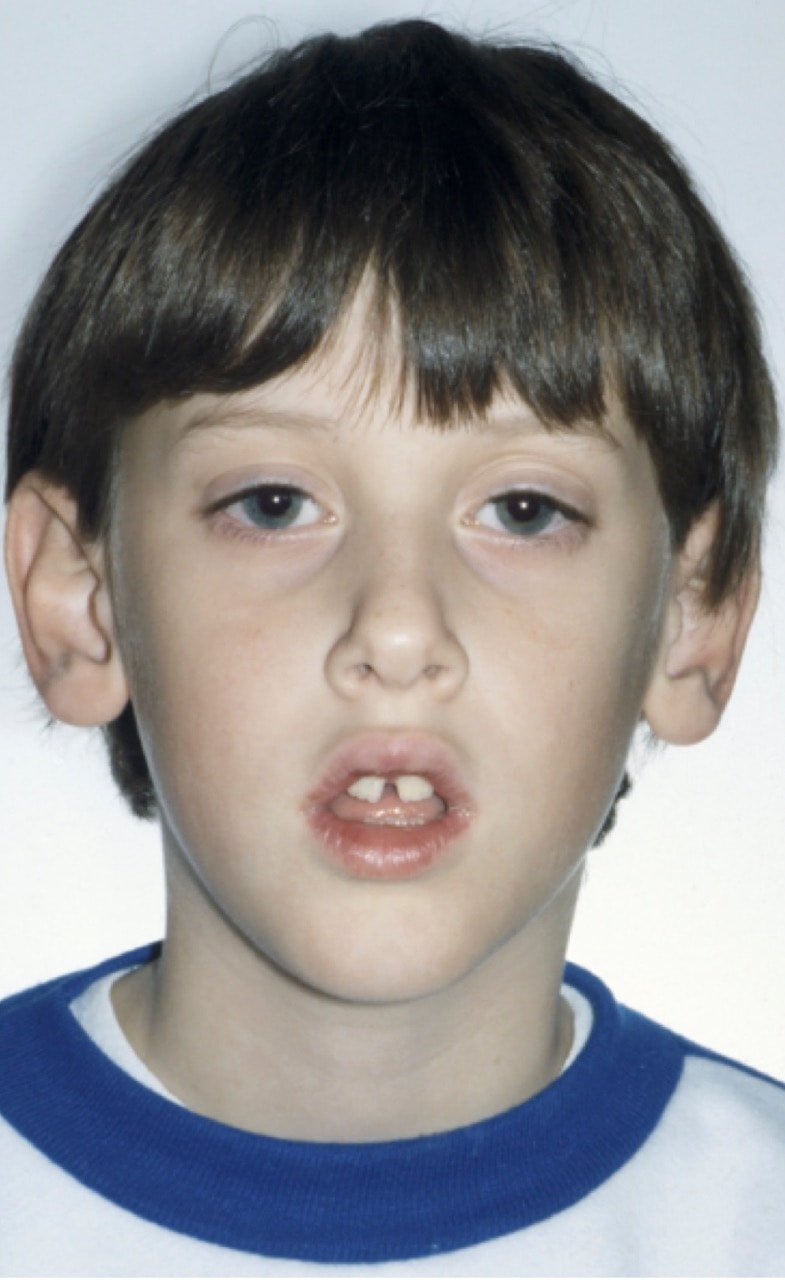
This one develops gradually, so it’s easy to miss.
Children who mouth breathe over time may develop:
- A longer, narrower face
- Dark circles under the eyes
- Droopy or tired-looking features
This is sometimes referred to as “mouth breathing face,” and it’s linked to how the muscles and bones grow when the mouth stays open regularly.
Not every child will show obvious changes—but when combined with other signs, it’s a strong clue.
What Causes Mouth Breathing in Children?
Mouth breathing is usually not just a habit—it often has an underlying cause, such as:
- Nasal congestion or allergies
- Enlarged tonsils or adenoids
- Deviated septum
- Chronic sinus issues
That’s why a proper evaluation matters. It’s not about guessing—it’s about identifying the root cause early.
What Should You Do If You Notice These Signs?
If you recognize one—or several—of these signs, don’t panic. But don’t ignore it either.
Early intervention can make a huge difference.
At Riverside Dental Center, Dr. Patel takes a whole-health approach, looking beyond just teeth to understand how breathing, airway, and development all connect.
Depending on your child’s needs, next steps may include:
- Monitoring growth and development
- Coordinating with ENT specialists if needed
- Preventive dental strategies
- Guidance on healthy breathing habits
The goal isn’t just a straight smile—it’s better sleep, better health, and proper development.
A Small Habit That Can Have a Big Impact
Mouth breathing is easy to overlook because it often seems normal.
But when you know what to watch for, you can catch it early—and that changes everything.
Think of it this way:
The earlier you address it, the simpler the solution. The longer it goes unnoticed, the more complex it can become.
Schedule a Visit at Riverside Dental Center
If you’re wondering whether your child might be a mouth breather, it’s worth getting a professional opinion.
Dr. Shinali Patel and the team at Riverside Dental Center are here to help you understand what’s going on—and what to do next.
📞 Call (951) 353-8454 to schedule an appointment
🌐 Or reach out through the contact form on our website
A quick check today could make a lasting difference in your child’s health, sleep, and smile.




.jpeg)