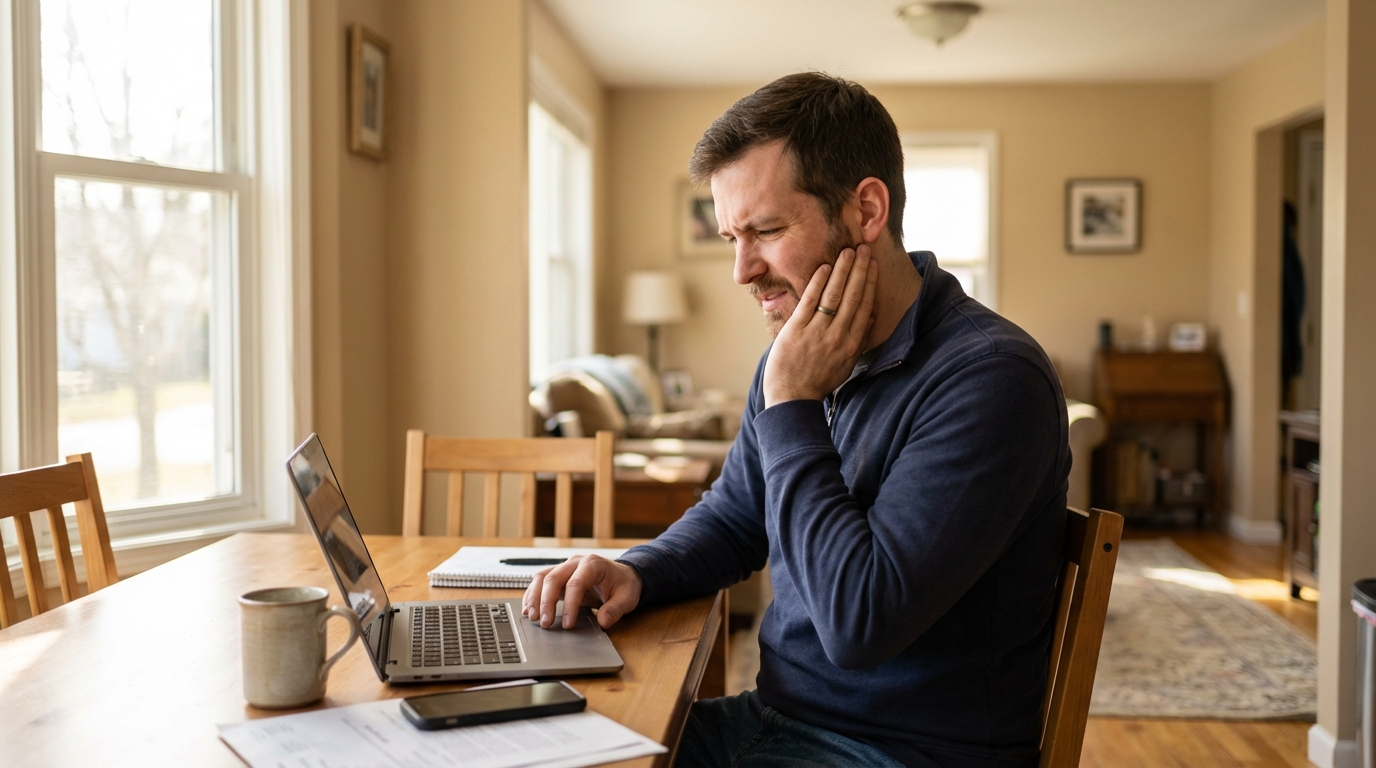

Have you noticed something strange?
More people are talking about jaw pain.
More people are waking up with headaches.
More people are saying, “My jaw keeps clicking.”
And almost everyone assumes it’s just stress.
Yes, stress plays a role. But that’s not the full story. Not even close.
At Riverside Dental Center, Dr. Shinali Patel has been seeing more patients asking about TMJ symptoms than ever before. And the real causes might surprise you.
Let’s break it down.
First, What Is TMJ?
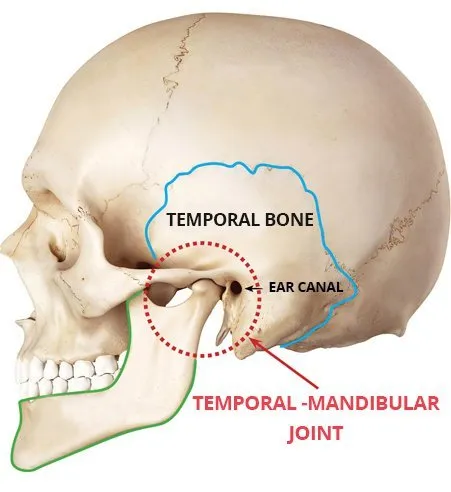
TMJ stands for temporomandibular joint. It’s the joint that connects your jaw to your skull. You have one on each side of your face, right in front of your ears.
You use it constantly:
- Talking
- Chewing
- Yawning
- Smiling
When something goes wrong with this joint, it’s called TMJ disorder, or TMD.
Common symptoms include:
- Jaw pain
- Clicking or popping sounds
- Headaches
- Ear pain
- Neck tension
- Face soreness
- Difficulty opening or closing your mouth
Now here’s the real question…
Why does it feel like everyone suddenly has it?
Yes, Stress Is a Factor — But It’s Not the Only One
Stress causes clenching. Clenching puts pressure on the jaw joint. Over time, that pressure leads to inflammation and pain.
That part is true.
But if stress alone caused TMJ, we would have seen this spike decades ago.
Something else has changed.
Actually… several things have changed.
The Hidden Cause #1: Screen Time and “Tech Neck”

Look around.
How many hours per day do you spend looking down at a phone or laptop?
When your head tilts forward, even slightly, it changes the way your jaw sits. Your muscles must work harder to hold everything in place.
Over time, that forward head posture:
- Tightens the neck muscles
- Pulls on the jaw muscles
- Shifts your bite
- Increases joint pressure
This is sometimes called “tech neck,” but it affects more than your neck. It affects your jaw alignment too.
Working from home made this even worse. Kitchen tables replaced office chairs. Laptops replaced ergonomic setups.
Your jaw paid the price.
The Hidden Cause #2: Silent Clenching (Even When You’re Awake)

Most people think teeth grinding only happens during sleep.
But many patients are clenching during the day without realizing it.
Driving.
Answering emails.
Scrolling social media.
Concentrating.
Your teeth are not supposed to touch all day. At rest, there should be a small space between them.
But modern life keeps us in a constant state of tension. That tension often shows up in the jaw.
Over months or years, that pressure irritates the joint.
The Hidden Cause #3: Sleep Changes
Sleep habits have changed dramatically.
More screen exposure at night.
More late-night scrolling.
More irregular sleep schedules.
Poor sleep can increase nighttime grinding (also called bruxism). It also prevents your muscles from fully relaxing and recovering.
If you wake up with:
- Jaw soreness
- Headaches
- Sensitive teeth
It could be nighttime clenching — even if you don’t hear grinding.
A custom night guard can often protect your teeth and reduce pressure on the joint. If you’re unsure, our team can evaluate your bite during a routine dental exam.
The Hidden Cause #4: Bite Changes in Adults
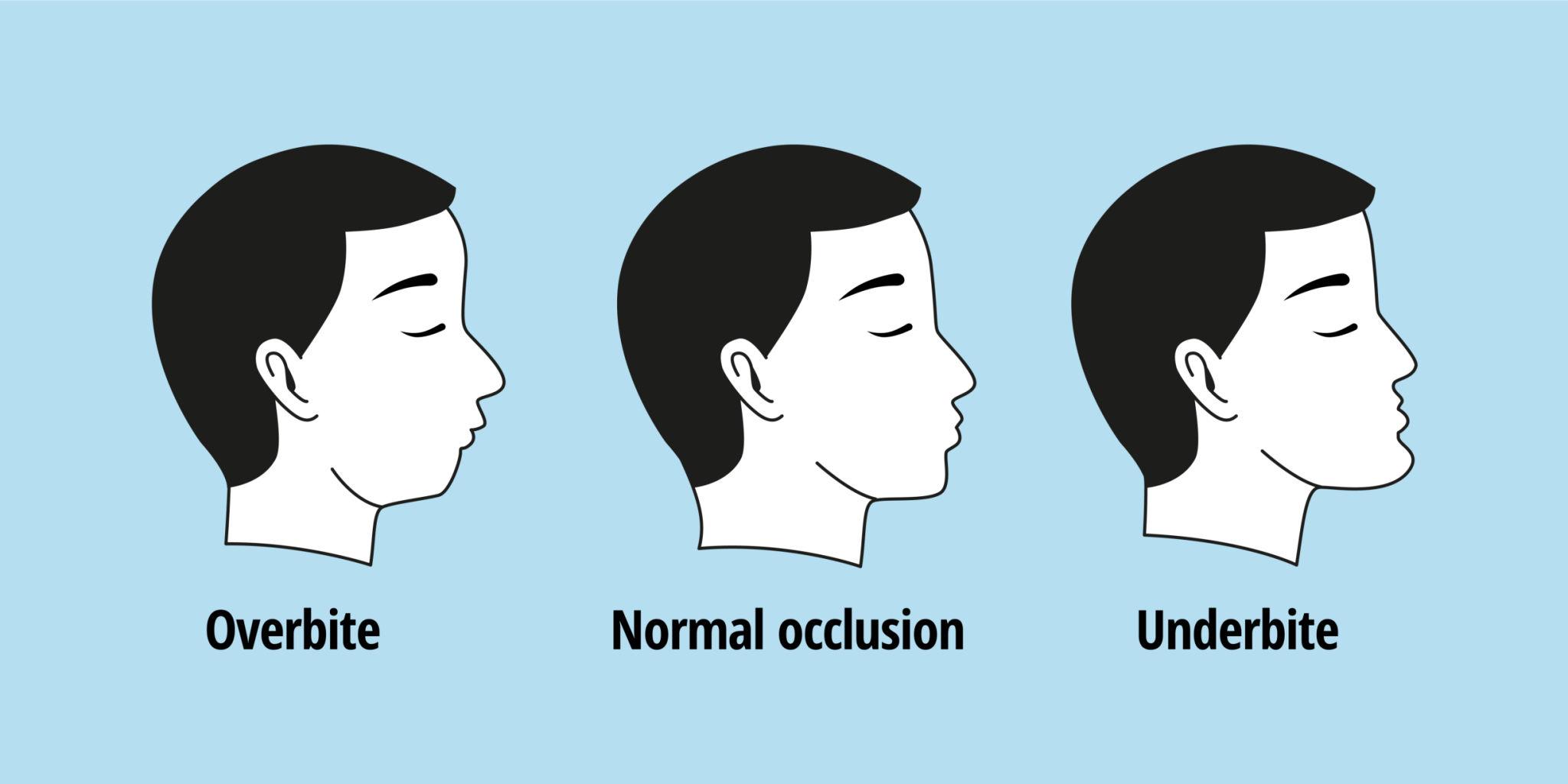
Here’s something many people don’t realize.
Your bite can change over time.
Missing teeth, worn-down teeth, dental shifting, or even past dental work can subtly alter how your upper and lower teeth fit together.
When your bite is slightly off, your jaw muscles work overtime to compensate.
That extra strain can trigger TMJ symptoms.
This is why it’s important to keep up with regular dental checkups. Catching bite changes early can prevent bigger problems later.
The Hidden Cause #5: Anxiety in the Body
Even if you don’t feel stressed mentally, your body may still be holding tension.
The jaw is one of the most common places where people store emotional tension.
Think about it.
When you’re focused, you tighten.
When you’re anxious, you brace.
When you’re concentrating, you clench.
It becomes automatic.
And over time, that constant muscle activation irritates the joint.
Why It Feels “Sudden”
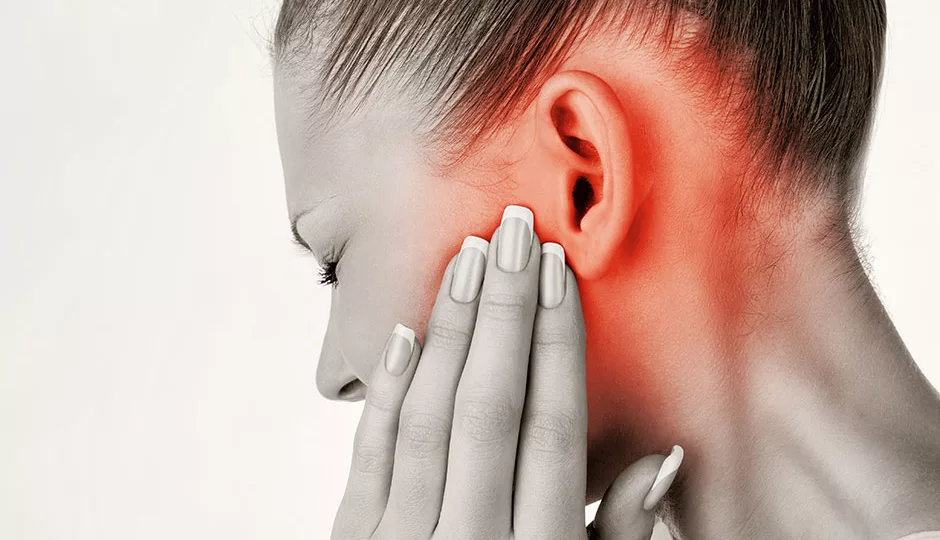
TMJ doesn’t usually appear overnight.
It builds slowly.
Months of posture strain.
Years of clenching.
Gradual bite changes.
Poor sleep habits.
Then one day, you hear a click.
Or you wake up with a headache.
Or your jaw feels tight and tired.
It feels sudden. But the groundwork has been there for a while.
When Should You Get It Checked?
If you’re experiencing:
- Frequent jaw pain
- Clicking with discomfort
- Locking or difficulty opening
- Ongoing headaches
- Ear pain without infection
It’s time to get evaluated.
TMJ issues can often be managed conservatively. Early treatment may include:
- Custom night guards
- Bite evaluation
- Muscle relaxation strategies
- Posture awareness
- Targeted dental adjustments
The sooner you address it, the easier it is to calm things down.
The Good News
TMJ is common.
But it’s manageable.
You don’t have to live with jaw pain. You don’t have to ignore headaches. And you don’t have to assume “this is just stress.”
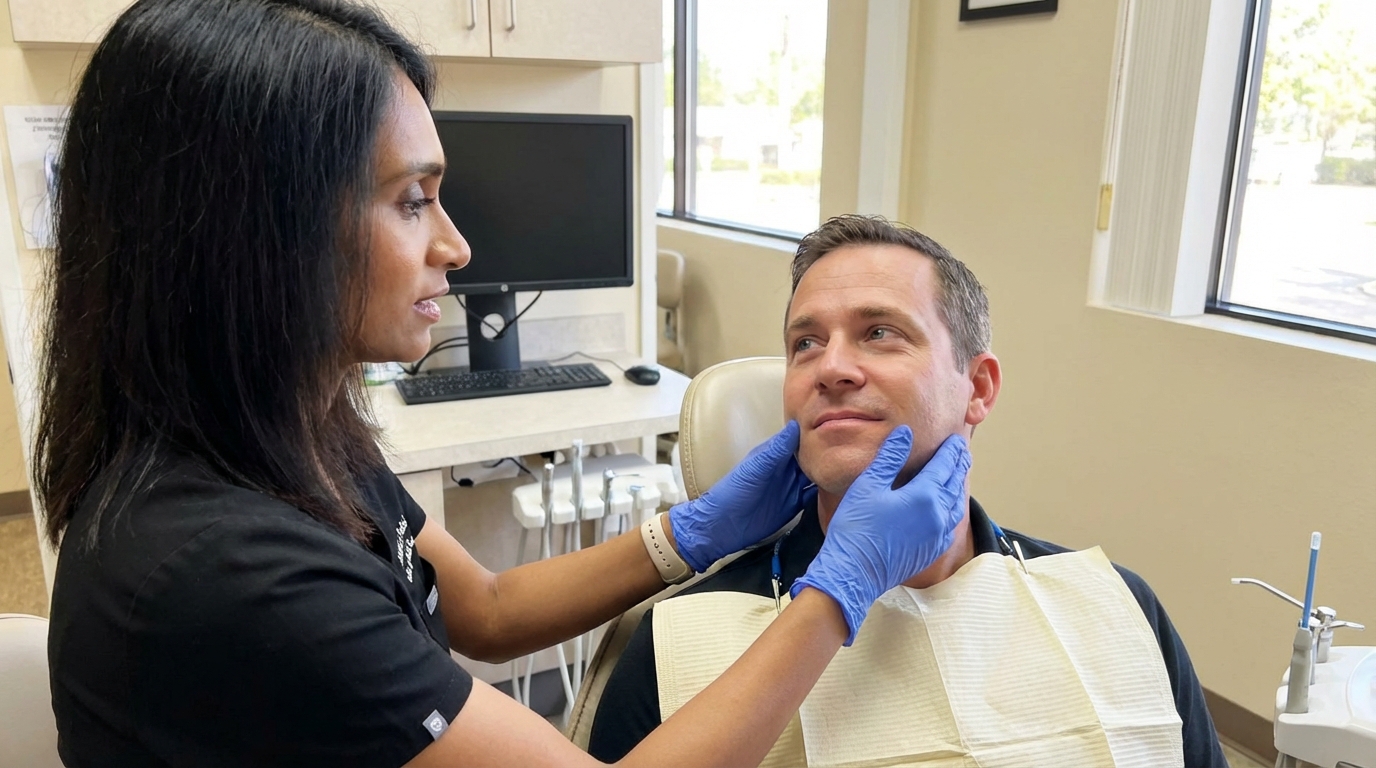
At Riverside Dental Center, Dr. Shinali Patel takes a compassionate, personalized approach to TMJ concerns. Every patient’s situation is different, and identifying the real cause is the key to lasting relief.
If you’ve noticed jaw clicking, soreness, or tension that won’t go away, it may be time for answers.
👉 Schedule your appointment today and let’s find out what’s really going on with your jaw.
Your comfort matters. And your jaw deserves attention before small issues turn into bigger ones.



.jpeg)