

You swish. You rinse. You spit.
Mouthwash feels like one of the healthiest steps in your daily routine.
But what if something meant to protect your mouth could quietly affect your blood pressure?
This question has been getting more attention lately—and for good reason. New research is helping dentists and doctors understand how alcohol-based mouthwash may interact with your body in ways most people never think about.
Let’s break it down clearly, simply, and honestly—so you can decide what’s best for your health.
Why This Topic Matters More Than You Think

High blood pressure—also called hypertension—often has no obvious symptoms. Many people don’t know they have it until a routine checkup.
At the same time, millions of Americans use mouthwash every single day, sometimes more than once a day.
So when researchers started noticing a possible connection between frequent use of alcohol-based mouthwash and increased blood pressure, it raised eyebrows across both the medical and dental communities.
This doesn’t mean mouthwash is “bad.”
But it does mean the type you use—and how often—matters.
The Hidden Role of Good Bacteria in Your Mouth

Here’s where things get interesting.
Your mouth isn’t just teeth and gums. It’s home to billions of bacteria—and many of them are helpful.
Some of these good bacteria play a surprising role in your overall health. They help convert nitrates from foods like leafy greens into nitric oxide, a compound that helps:
- Relax blood vessels
- Improve blood flow
- Support healthy blood pressure
When everything works as designed, this system helps your heart and circulatory system.
What Alcohol-Based Mouthwash Does
Alcohol-based mouthwash is powerful. That’s why it leaves that strong, burning feeling.
But that strength doesn’t discriminate.
It can kill:
- Harmful bacteria that cause bad breath and gum disease
- Helpful bacteria that support nitric oxide production
When those good bacteria are wiped out repeatedly—especially with daily or twice-daily use—the body may produce less nitric oxide.
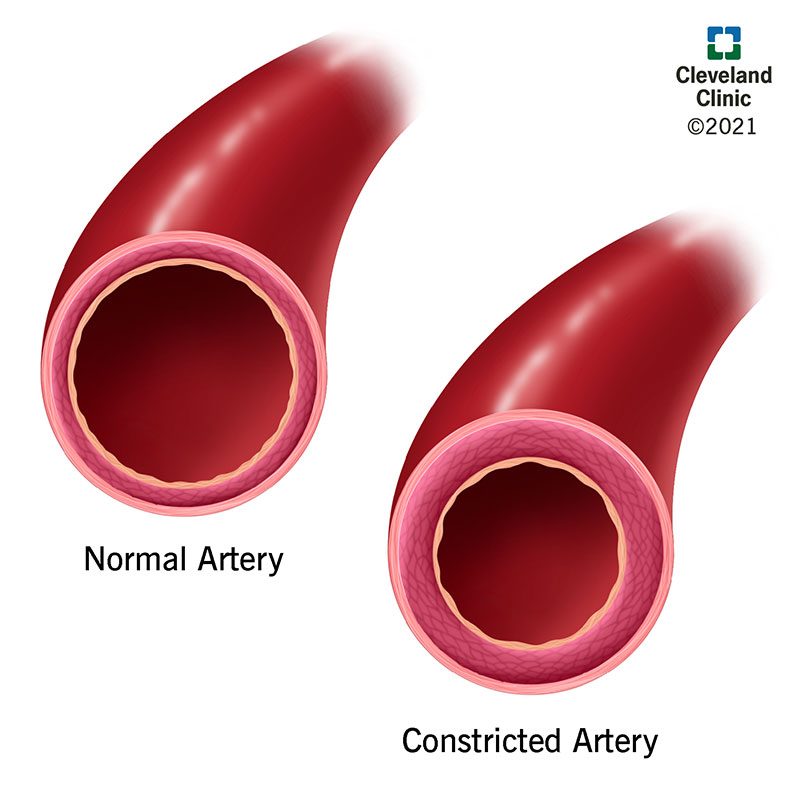
Less nitric oxide can mean:
- Narrower blood vessels
- Increased resistance in blood flow
- A gradual rise in blood pressure over time
This effect is usually subtle, but for people already dealing with high blood pressure—or at risk for it—it can matter.
What the Research Is Suggesting
Several studies have found that people who use alcohol-based mouthwash frequently may experience slightly higher blood pressure readings compared to those who don’t.
Important clarification:
- This doesn’t mean mouthwash causes high blood pressure
- The increase is often small
- Risk appears higher with multiple daily uses
Still, when millions of people are affected, even small changes can be meaningful—especially over years.
Who Should Be Extra Careful?
You may want to pay closer attention to your mouthwash choice if you:
- Have been diagnosed with high blood pressure
- Are borderline or “pre-hypertensive”
- Have a family history of heart disease
- Are sensitive to alcohol or dry mouth
- Use mouthwash more than once per day
For these individuals, switching to a gentler option may be a smart move.
Alcohol-Free Mouthwash: A Safer Alternative?
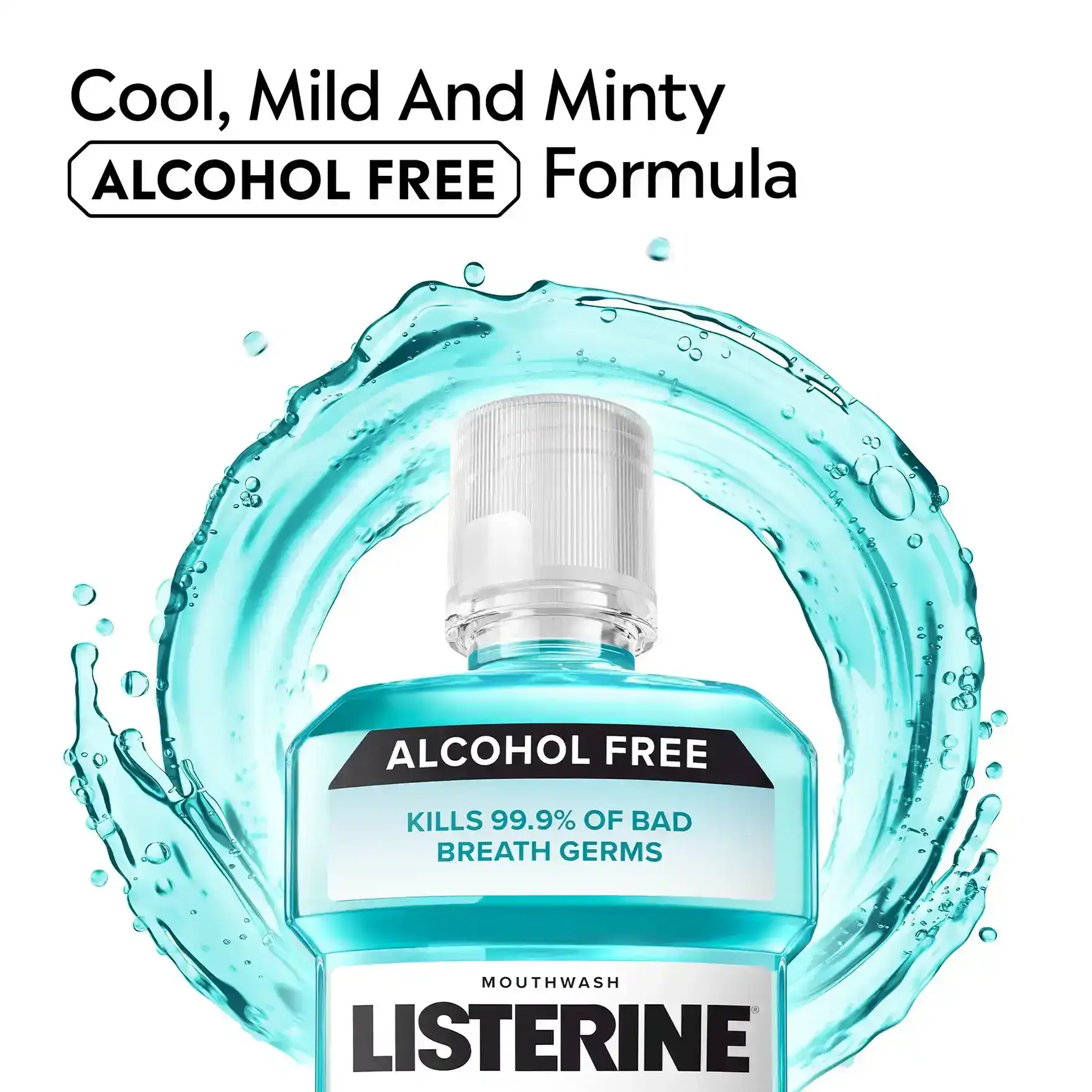
The good news?
You don’t have to give up mouthwash to protect your health.
Alcohol-free mouthwashes are widely available and effective. They can:
- Freshen breath
- Help reduce plaque
- Support gum health
- Be gentler on oral tissues
- Preserve beneficial bacteria
They also tend to cause:
- Less burning
- Less dryness
- Less irritation for sensitive mouths
For many patients, alcohol-free options provide all the benefits—with fewer potential downsides.
What Dentists Actually Recommend
At Riverside Dental Center, we look at oral health as part of whole-body health.
That means:
- Custom recommendations
- No one-size-fits-all advice
- Considering medical history along with dental needs
For many patients—especially those with blood pressure concerns—alcohol-free mouthwash is often the better choice for long-term daily use.
The Bigger Picture: Mouthwash Is Just One Piece
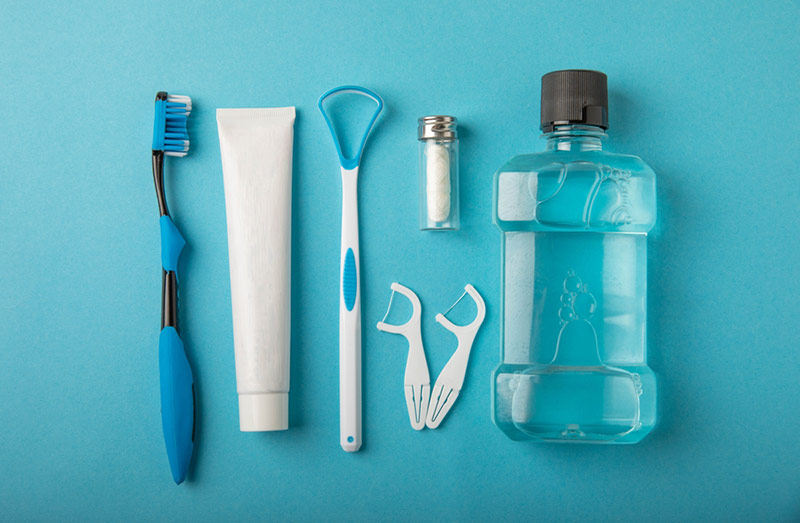
Mouthwash alone doesn’t make or break oral health.
What matters most:
- Brushing twice daily with fluoride toothpaste
- Flossing or using interdental cleaners
- Eating a balanced diet
- Regular dental checkups and cleanings
Mouthwash should support these habits—not overpower them.
So… Should You Stop Using Alcohol-Based Mouthwash?
Not necessarily.
Occasional use may be fine for some people.
Daily, long-term use—especially multiple times per day—may not be ideal for everyone.
If you’re unsure, the best step is a personalized recommendation from your dentist.
A Simple Takeaway You Can Use Today
If you want a low-risk, easy improvement:
👉 Switch to an alcohol-free mouthwash
👉 Use it once daily unless advised otherwise
👉 Focus on consistency with brushing and flossing
Small choices add up—especially when they support both your smile and your overall health.
Ready to Talk About What’s Best for Your Smile?

If you have questions about mouthwash, gum health, dry mouth, or how oral care connects to overall wellness, the team at Riverside Dental Center is here to help.
📞 Call us today at (951) 353-8454 or
📅 Book an appointment through our website to get personalized guidance you can trust.



.jpeg)